🎨Painting and plaster
Plaster, Skim Coat and Wall Painting in Israel 2026: Order and Prices
By KABLAY Editorial · · 14 min read
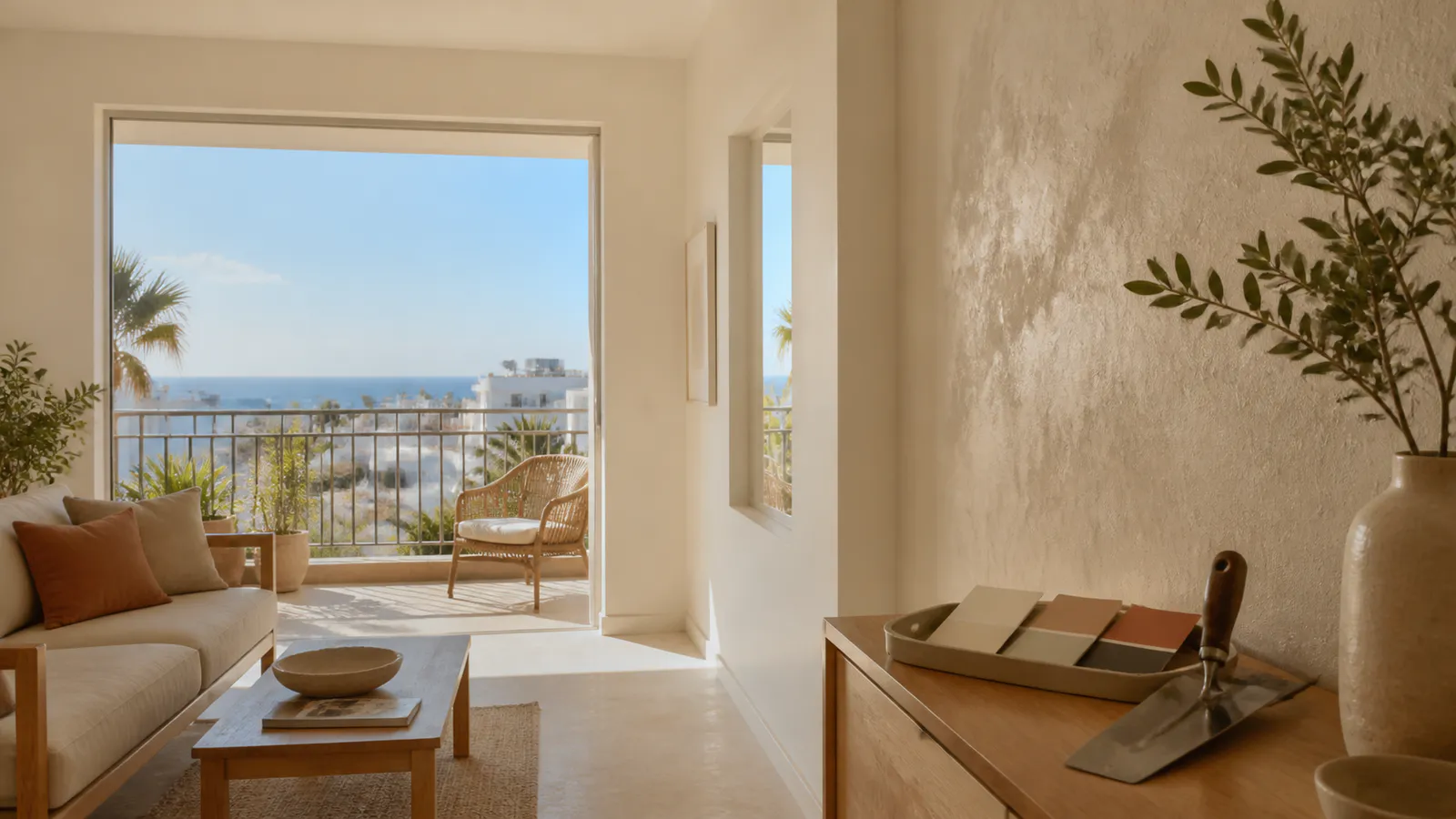
A wall that looks smooth in a photo can hide loose paint, an active crack or moisture that will return through every new finish. In Israel, strong sun, coastal salt, air conditioning and seasonal changes all stress wall systems. A useful quote therefore starts with the substrate, not the color card.
This guide explains when plaster is needed, when skim coat is enough, what primer does, how to compare prices and how to inspect the finish in daylight. If the scope is already clear, compare painters and plasterers in Israel or start a request with trade and city preselected.
The first rule: solve the cause before the finish
Bubbles, dark stains, white salts or peeling paint are not always paint problems. They may point to a leak, condensation, rain penetration or a wall that has not dried after repair. Painting a damp wall only postpones the failure. Stop the water source, ventilate, and confirm that the base is dry and compatible with the specified system before plaster or skim coat begins.
For recurring wet marks, pair this article with the guide to wall moisture and thermal diagnosis. If pipework may be involved, bring in a plumber before commissioning the finish.
Plaster, skim coat, primer and paint: four different jobs
- Plaster corrects the plane, fills deeper variation and creates a sound base. It is not the final smooth paint layer.
- Skim coat closes pores, joints and shallow waves. A thin coat cannot straighten a wall that is out by centimeters.
- Mesh and reinforcement can help at material junctions or selected cracks, but mesh is not an automatic cure for every crack.
- Primer controls absorption and improves the bond between the substrate and the next layer. It must suit both.
- Paint provides color and protection; it does not hide poor preparation. Side light will reveal ridges, sanding marks and hollows.
Match the system to the wall
Stable wall that only needs refreshing
Where the coating is well bonded and the wall is straight, cleaning, local filling, sanding, suitable primer and two finish coats may be enough. Define how much patching is included.
Peeling paint and cracks
Remove all loose material back to a stable edge, open and repair cracks according to their type, level the patch, and only then decorate. A crack that returns, grows or runs diagonally should be assessed before it is concealed.
Uneven wall or layout alteration
After closing a doorway, moving electrical points or partial demolition, skim alone is rarely enough. The scope may require measured plaster depth, corner beads, reinforcement at junctions and drying time between trades.
Bathroom, kitchen or exterior-facing wall
Choose a system intended for moisture, cleaning and solar exposure. “Anti-mold paint” is not a substitute for ventilation, waterproofing or leak repair.
Choosing a paint that suits the room
Sheen decides more than shade. A deep matt finish softens small imperfections but tolerates washing poorly. Eggshell and satin clean far better and suit hallways, children’s rooms and kitchens, yet they reveal every wave in the wall. Keep gloss and enamel for doors, reveals and metal rather than large flat surfaces.
- Living room and bedroom: matt or soft matt in a calm shade, two full coats.
- Hallway, children’s room, kitchen: a washable range that survives rubbing and local cleaning.
- Bathroom and wet zone: a product intended for humid rooms plus working ventilation; paint does not replace an extractor.
- Ceilings: a dedicated ceiling paint rather than leftover wall paint, because the open time differs.
- Exterior wall or balcony parapet: an exterior system rated for sun and salt.
Deep, saturated colors nearly always need extra coats: high pigment usually means lower opacity. Ask for a sample patch of at least 50×50 cm on the actual wall, let it dry fully, and look at it in the morning, at midday and under artificial light. The shade on a screen, in a catalogue and on the wall are three different colors.
Israel labor price guide for 2026
The KABLAY painting and plaster price list gives useful comparison points: around ₪12/m² for primer, ₪18/m² for wall sanding, ₪30–38/m² for skim before paint, ₪48–85/m² for manual plaster depending on depth and leveling method, and about ₪28/m² for two coats of acrylic wall paint. These are labor line items, not a final room price.
A complete quote may also include protection, loose-coating removal, crack repairs, corners, ceilings, height access, materials, waste and cleanup. Small areas cost more per square meter because travel and setup remain. A furnished apartment also takes longer than an empty one.
Measure the scope, not the apartment floor
Apartment area is not wall area. Ask for the estimated work surface, walls and ceilings separately, how openings were treated, and the repair depth. Two offers at “₪40/m²” are not comparable when one includes sanding, primer and two coats while the other includes paint only.
- Number of rooms and whether they are empty.
- Wall and ceiling areas listed separately.
- Count and location of cracks, peeling zones and damaged corners.
- Wet zones and exterior-facing walls.
- Protection for parquet, windows, kitchen and furniture.
- Named material ranges, coat count and drying intervals.
A reliable work sequence
- Inspect in side light and record cracks, moisture and loose coating.
- Repair leaks or rain penetration and allow the wall to dry.
- Protect floors, furniture, aluminum frames and electrical fittings.
- Remove loose paint and plaster back to a sound base.
- Complete plaster, corner and selected reinforcement repairs.
- Allow curing, skim, sand and extract dust.
- Apply compatible primer and two paint coats with the required interval.
- Inspect in daylight and complete touch-ups before removing protection.
Book final cleaning only after touch-ups. The guide to post-renovation cleaning explains the scope and handover checklist.
How long it takes and how to live there meanwhile
The real schedule is set by drying, not by area. One room with local repairs is usually two to three working days. An empty three or four room apartment with full skim is more often one to two weeks. Once measured plaster depth is added, waiting days appear between layers and no fan removes them.
A summer hamsin and coastal humidity change how the materials behave: the surface sets quickly while the depth stays wet. In winter an unheated apartment dries more slowly. Air conditioning helps by moving air, but the stream must never be aimed at a fresh layer. Agree in advance which windows stay open and who locks the apartment in the evening.
- Clear the walls and remove fragile items; shuffling things inside the room slows the work.
- Confirm which rooms stay sleepable and when furniture returns.
- Ask about odor and airing time if there are children, allergies or pets at home.
- Match noisy hours to the building rules and to your municipality.
- Fix a date for the electrician if sockets or light fittings were removed.
Regional details across Israel
In Tel Aviv and other coastal cities, inspect exterior-facing walls, aluminum reveals and salt traces before decorating. In Jerusalem, cold wall surfaces may make winter condensation more visible. Older apartments anywhere can contain many layers of paint or whitewash that need an adhesion test. For a local comparison, open painters and plasterers in Tel Aviv.
What the written quote must say
- Exact rooms and surfaces.
- Full plaster or skim versus local repairs only.
- Primer type, paint range and coat count.
- Who moves and protects furniture and who removes sanding dust.
- A timeline that includes drying, not only attendance days.
- What triggers an extra: hidden cracks, moisture or loose plaster.
- Handover, correction and workmanship warranty terms.
How to accept the finish
Inspect morning and evening, using both front and side light. Check above skirting, around sockets, at corners and along the ceiling line. Run a clean hand over a sanded zone and look for dust, drips and uneven cutting-in. Compare against an approved sample after it has dried because wet paint reads differently.
For a paint-focused method, read the wall-painting guide. When posting a task, add one wide photo, one side-lit photo and a close-up of every defect so painters and plasterers can price a defined system rather than guess.
Internal links
Useful pages on this topic
Frequently asked questions
- What is the difference between plaster and skim coat?
- Plaster corrects plane and deeper variation; skim coat smooths shallow defects before paint. A thin skim cannot straighten a badly uneven wall.
- What does wall preparation cost in Israel?
- KABLAY comparison points include about ₪12/m² for primer, ₪18 for sanding, ₪30–38 for skim, and ₪28 for two paint coats. Condition and protection change the total.
- Can I paint over a damp stain?
- Not until the water source is stopped and the wall has dried. Otherwise staining, peeling or mold is likely to return through the new finish.
- How many paint coats are needed?
- Two finish coats on a prepared base are a common quote, but coverage depends on color, substrate and product. Follow the selected manufacturer system.
- How should I inspect painted walls?
- Inspect in daylight and side light, especially around sockets, corners and skirting. Look for waves, sanding marks, drips, dust and uneven cutting-in.